
Hospice and end-of-life care for people with HIV/AIDS
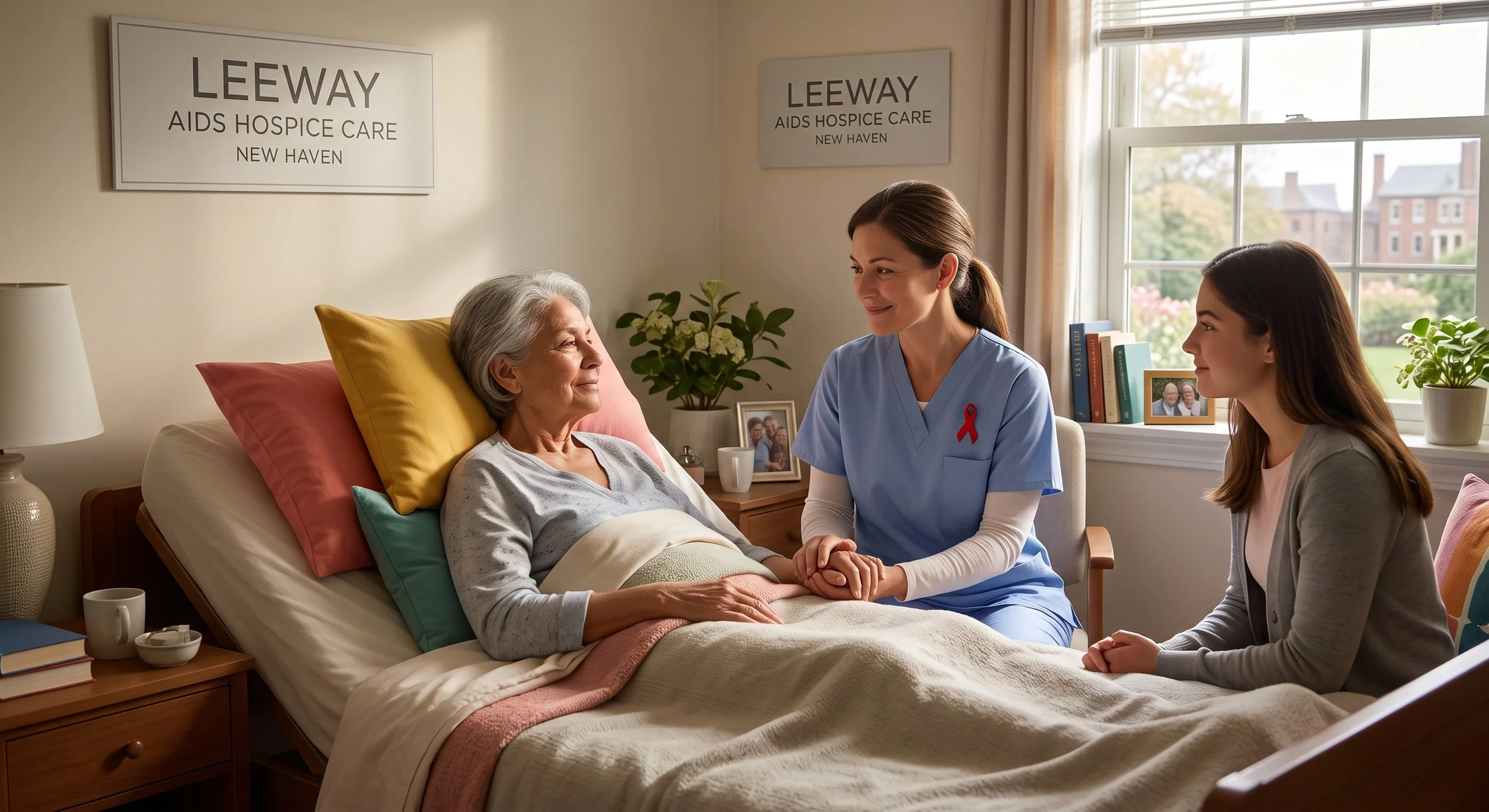
When HIV progresses to advanced illness, people and their families may need more than medical treatment. AIDS hospice and end-of-life care can provide comfort-focused support. It maintains dignity, manages symptoms, and spends meaningful time with the people who matter most.
Hospice is not about giving up on care. It is about changing the focus toward comfort and quality of life when an illness is approaching the end of life. For people living with HIV/AIDS, end-of-life care may involve complex medical needs.
It may also include emotional support, medication management, and care for families. Understanding hospice, palliative care, skilled nursing, and available support can make difficult decisions more manageable.
Leeway provides specialized HIV/AIDS care in New Haven, Connecticut. Its services include skilled nursing, palliative care, hospice support, behavioural health, and case management.
What is an AIDS Hospice?
An AIDS hospice provides specialized end-of-life care for people with advanced HIV or AIDS, focusing on comfort, symptom management, and quality of life. Hospice can include medical care, nursing support, emotional support, spiritual care, and assistance for family members.
Hospice is different from stopping care. The goal is to provide appropriate treatment for pain, breathing difficulties, anxiety, and other symptoms while respecting the person's wishes. The focus is on care and comfort.
It also aims to support quality of life at the end of life. The decision to begin hospice should be made with the patient's healthcare team. Eligibility may depend on the person’s condition, prognosis, insurance, and hospice provider.
How is Hospice Different From Palliative Care?
Hospice and palliative care both focus on comfort and quality of life, but they are not the same service. Palliative care can be provided at any stage of serious illness and may continue alongside treatment for the underlying condition. Hospice is generally intended for people approaching the end of life who have chosen comfort-focused care.
The NIH HIV/AIDS Clinical Guidelines glossary describes palliative care as care that helps relieve physical and psychological symptoms and improve quality of life. It can be provided at any stage of disease.
This distinction matters for people living with HIV. A person may benefit from palliative care while continuing HIV treatment or receiving care for other serious conditions. Hospice becomes an option when the person's goals and medical situation indicate that end-of-life comfort should become the primary focus.
Leeway's clinical services include both palliative care and hospice support for residents who need this level of care. Its clinical team includes physicians, nurses, nursing assistants, therapists, and behavioral health professionals.
Why End of Life Care Can be Complex for People With HIV/AIDS
Effective HIV treatment helps many people live longer and healthier lives. However, some people may still develop advanced HIV or serious conditions requiring intensive care. End-of-life care may include symptom management and wound care. It can also provide medication support, mobility assistance, and emotional care.
Patients may also need coordination among multiple healthcare providers. Leeway provides specialized care for people living with HIV/AIDS. Its skilled nursing program offers 24-hour nursing care, HIV management, chronic condition management, and daily living support.
What Does End of Life Care for HIV/AIDS Include?
End of life care for people with HIV/AIDS should reflect their medical needs, personal goals, and care preferences. A coordinated care team can address physical symptoms while also supporting emotional well-being and family needs.
Symptom and Pain Management
Managing symptoms is a central goal of hospice and palliative care. Care teams may address pain, nausea, breathing problems, fatigue, anxiety, and other symptoms that affect comfort. The goal is to improve comfort while respecting the person's wishes and treatment preferences.
Nursing and Medical Support
People with advanced HIV/AIDS may need regular monitoring, medication assistance, and support with daily activities. Skilled nursing can provide important support when medical needs become difficult to manage at home. Leeway provides 24-hour skilled nursing care for adults living with HIV/AIDS. Its team also supports conditions such as diabetes, hypertension, and hepatitis.
Emotional and Behavioral Health Support
End of life can bring fear, grief, anxiety, and uncertainty for patients and families. People living with HIV may also face stigma or isolation that can affect their experience of serious illness.
Behavioral health support can help patients and families manage these concerns and adjust to changing needs. Leeway offers psychiatric support for conditions that may occur alongside HIV/AIDS, including depression, dementia, and substance-related disorders.
Family and Caregiver Support
Families may need guidance as a loved one's health changes and care needs increase. Hospice can support family members as they participate in care and make important decisions. Discussions may cover preferred care settings, treatment goals, relationships, spiritual needs, and practical arrangements.
Early conversations can help families feel more prepared when health needs change. Overall, end-of-life care should address more than physical symptoms. A coordinated approach can help patients receive compassionate care while giving families the guidance and support they need.
When Should Families Consider AIDS Hospice?
There is no single symptom that determines when hospice is appropriate. Families can discuss hospice when an illness is progressing, or treatment is no longer meeting the person's goals. A healthcare provider can help determine whether hospice may be appropriate.
Eligibility can depend on the person's condition, prognosis, and applicable coverage requirements. Starting the conversation early gives families time to understand their options. It also allows the care team to create a plan based on the person's wishes.
Where Can Hospice and End of Life Care be Provided?
Hospice care can be provided in different settings based on the person's needs. Options may include the home, a nursing facility, a hospital, or a dedicated hospice setting. Families should consider medical needs, caregiver availability, and personal preferences.
The right setting should provide appropriate support while respecting the person's comfort and care goals. Leeway provides 24-hour skilled nursing and specialized HIV/AIDS care in a home-like environment. It also offers residential care and permanent supportive housing for eligible individuals.
How Families Can Prepare for End of Life Care
Planning can make end-of-life decisions easier for patients and families. An honest conversation can help clarify what matters most to the person living with HIV/AIDS. Families can discuss preferred care settings and treatment choices. They can also identify important decision-makers and sources of emotional or spiritual support.
They can also consider practical and financial concerns that may affect care. Families should ask the healthcare team about advance care planning and healthcare decisions. Leeway's case management services help residents navigate healthcare, benefits, housing, and other practical needs.
What Should Families Ask an AIDS Hospice Provider?
Choosing hospice is an important decision for someone with complex HIV-related medical needs. Families should ask how the provider manages symptoms and coordinates care with the person's existing healthcare team.
They can also ask about nursing support, family counselling, bereavement services, and available care settings. Understanding insurance coverage and potential costs can also help families plan.
These questions can help families compare providers and choose care that matches the person's needs and preferences. The goal is to find a provider that can offer appropriate support throughout end-of-life care.
Specialized HIV/AIDS Care at Leeway
Leeway offers specialized services for people living with HIV/AIDS in Connecticut. Its programs include skilled nursing and palliative care. They also offer hospice support, residential care, and medication assistance. The organization also provides permanent supportive housing and community case management.
These services can help address medical, housing, and daily living needs across different stages of care. Families considering hospice or other end-of-life services can contact Leeway's team for information about eligibility, referrals, and available care options.
Frequently Asked Questions About AIDS Hospice
Can a person with HIV receive hospice while continuing some medications?
Yes. Medication decisions depend on the person's goals, symptoms, and medical condition. The hospice and healthcare teams can review which medications remain appropriate for comfort and quality of life.
Can hospice care support family members after a loved one dies?
Many hospice programs provide bereavement support for family members after a patient's death. Available services vary by provider, so families should ask what counselling or grief resources are included.
What happens if a person's condition improves after entering hospice?
Hospice eligibility can be reassessed if a person's condition changes. If the person no longer meets eligibility requirements, the hospice team can discuss other appropriate care options with the patient and family.
Can someone change their mind after choosing hospice?
Yes. A person can generally choose to leave hospice if their care goals change. They may also be able to return to hospice later if they meet eligibility requirements.
Who makes healthcare decisions if a person cannot communicate?
An appointed healthcare representative or another legally authorised decision-maker may help make decisions when a person cannot communicate. Advance care planning can clarify these preferences beforehand.